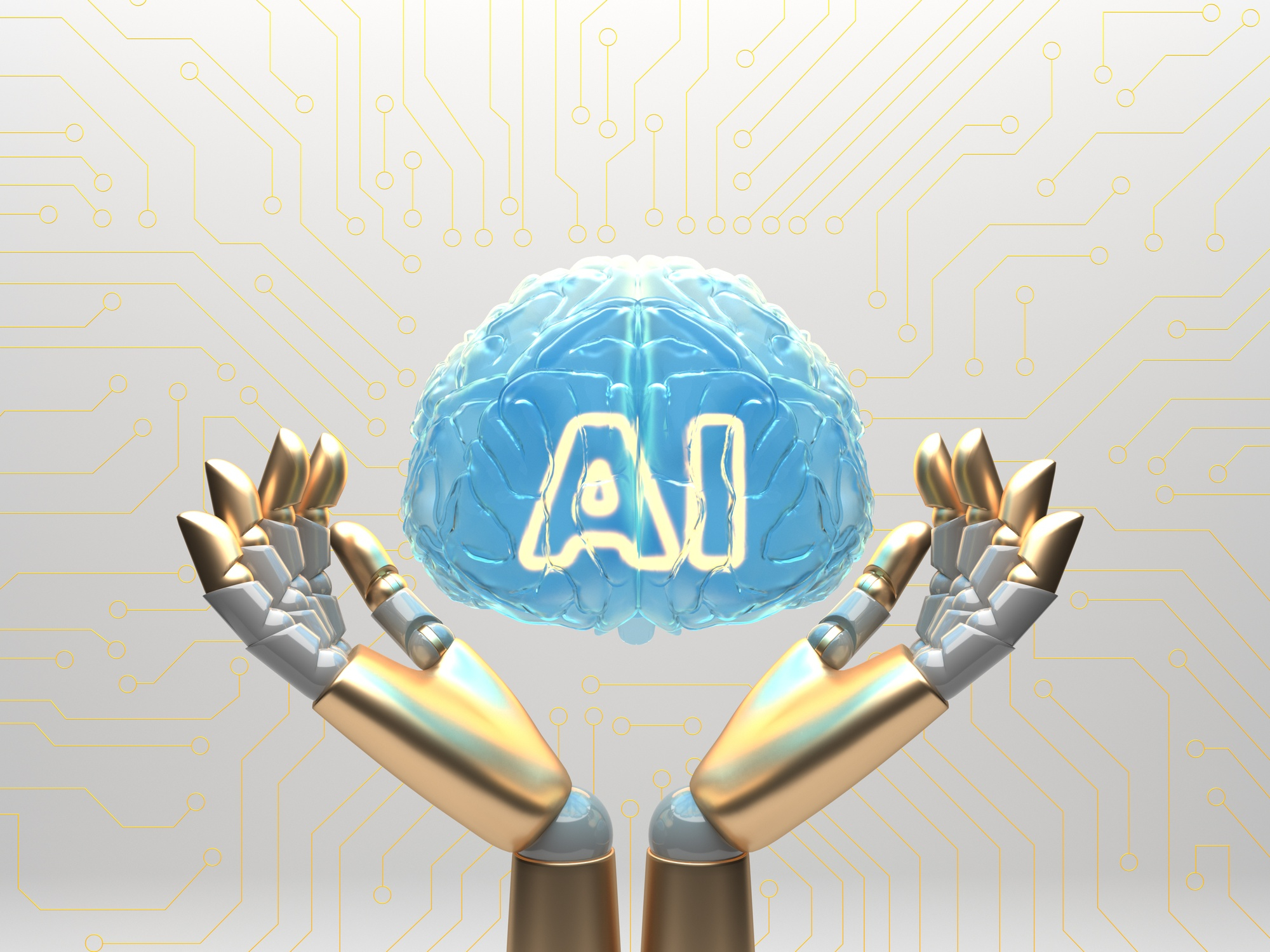
As the demand for faster, smarter, and more efficient technology grows, Edge AI is emerging as a game-changing innovation. By combining Artificial Intelligence with edge computing, Edge AI enables data processing directly on devices—without relying on centralized cloud servers. This shift is transforming industries by delivering real-time insights, enhanced privacy, and reduced latency.
What is Edge AI?
Edge AI refers to the deployment of artificial intelligence algorithms directly on hardware devices such as smartphones, IoT devices, cameras, and sensors. Instead of sending data to the cloud for processing, Edge AI allows data to be analyzed locally—right where it is generated.
This approach ensures faster decision-making and reduces the dependency on constant internet connectivity.
How Edge AI Works
Edge AI systems integrate three main components:
- Edge Devices: Physical devices like smart cameras, wearables, or industrial sensors
- AI Models: Pre-trained machine learning models embedded into the device
- Local Processing: Data is processed on-device rather than being sent to remote servers
For example, a smart security camera with Edge AI can detect suspicious activity instantly without uploading video footage to the cloud.
Key Benefits of Edge AI
1. Real-Time Processing
Edge AI enables instant data analysis, making it ideal for time-sensitive applications like autonomous vehicles and industrial automation.
2. Reduced Latency
By eliminating the need to send data to distant servers, Edge AI significantly reduces delays.
3. Enhanced Privacy
Sensitive data remains on the device, minimizing the risk of data breaches and improving user privacy.
4. Lower Bandwidth Usage
Since less data is transmitted to the cloud, Edge AI reduces network congestion and costs.
5. Offline Functionality
Edge AI systems can operate even without internet connectivity, ensuring reliability in remote or critical environments.
Real-World Applications
Edge AI is rapidly being adopted across multiple industries:
1. Smart Homes
Devices like voice assistants and smart thermostats use Edge AI for faster and more personalized responses.
2. Healthcare
Wearable devices monitor patient health in real time and provide instant alerts for abnormal conditions.
3. Retail
Stores use Edge AI-powered cameras to analyze customer behavior and optimize layouts.
4. Manufacturing
Factories use Edge AI for predictive maintenance, reducing downtime and improving efficiency.
5. Autonomous Vehicles
Self-driving cars rely on Edge AI to process sensor data instantly and make real-time driving decisions.
Challenges of Edge AI
While Edge AI offers many benefits, it also comes with challenges:
- Limited Processing Power: Edge devices have less computational capability than cloud servers
- Model Optimization: AI models must be optimized to run efficiently on smaller devices
- Security Risks: Devices can still be vulnerable to physical tampering
- Development Complexity: Requires specialized knowledge to implement effectively
Edge AI vs Cloud AI
| Feature | Edge AI | Cloud AI |
|---|---|---|
| Processing | On-device | Remote servers |
| Latency | Very low | Higher |
| Privacy | High | Moderate |
| Internet Needed | Not always | Required |
| Scalability | Limited | High |
The Future of Edge AI
The future of Edge AI looks promising as advancements in hardware and AI optimization continue. With the rise of 5G networks and IoT devices, Edge AI will become even more powerful and widespread.
We can expect smarter devices, faster automation, and more personalized user experiences across industries.
Conclusion
Edge AI is redefining how and where intelligence is applied. By bringing AI closer to the data source, it enables faster, more secure, and efficient systems.
As technology evolves, Edge AI will play a critical role in shaping the next generation of smart applications and connected devices.